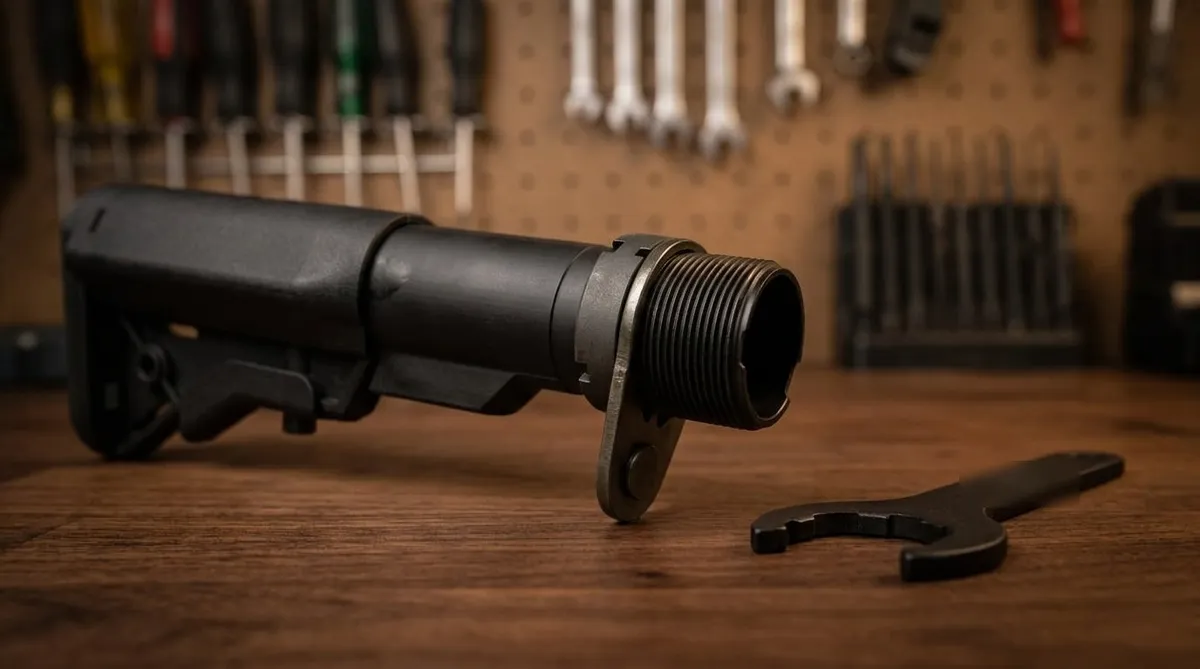
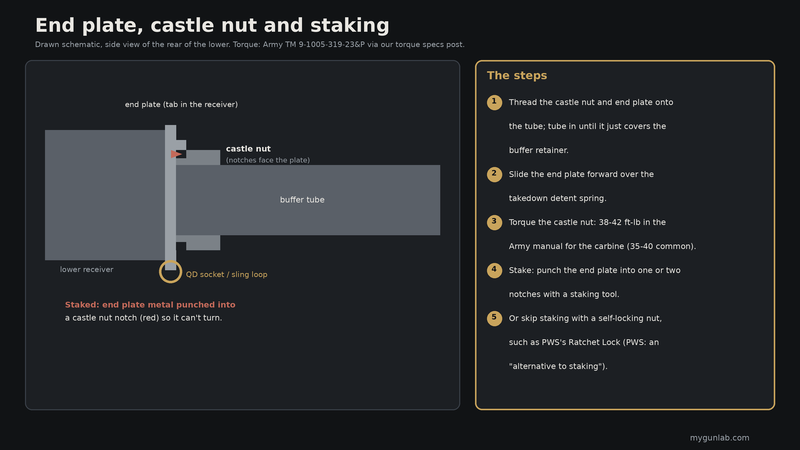
Short answer: the end plate sits between the lower and the castle nut and keeps the takedown detent spring in place; many add a QD socket or loop for a sling. The castle nut locks the buffer tube: torque it (the Army manual gives 38 to 42 ft-lb for the carbine; 35 to 40 is common) and stake it by punching the end plate into one or two of the nut's notches so it can't back out. If you don't want to stake, a self-locking nut such as PWS's Ratchet Lock is sold as an alternative.
How it fits together
Choosing an end plate
- Plain (mil-spec): no sling point.
- QD end plates add a push-button sling socket at the rear: BCM's and B5's are steel and made to be staked; Griffin's C2E is an anti-rotation steel QD plate.
- Ambidextrous sling points: Magpul's ASAP QD puts the socket centrally, with more than 180 degrees of sling movement for switching shoulders.
- Loop plates for clip-on single-point slings, such as CMMG's ambidextrous single-point plate.
See single-point vs two-point slings for which sling goes where.
Torquing and staking the castle nut
- Thread the castle nut (notches toward the receiver) and the end plate onto the buffer tube, then thread the tube in until it just covers the buffer retainer.
- Fit the takedown detent spring, slide the end plate forward over it and line up the plate's tab.
- Torque the castle nut with an armorer's wrench: 38 to 42 ft-lb in the Army manual for the carbine. See AR-15 torque specs.
- Stake it: with a staking tool or punch, move a little of the end plate's metal into one or two of the nut's notches. KAK's mil-spec nut has hardened staking cuts; Forward Controls' nut has four longer, deeper notches.
The full lower assembly is in how to assemble an AR-15 lower, and tube types in buffer tube types.
End plates and castle nuts, with today's prices
Lowest price across the stores we track:
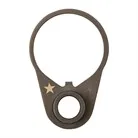
BCM Gunfighter QD end plate
Pros
- Steel QD end plate
- Made to be staked
Cons
- Plate only
QD end plate
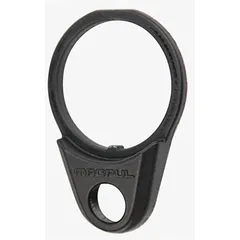
Magpul ASAP QD end plate
Pros
- Central QD socket
- Over 180 degrees of sling movement
Cons
- Plate only
Ambidextrous
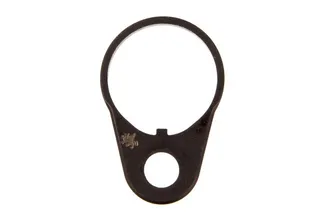
Griffin Armament C2E QD end plate
Pros
- Anti-rotation QD, heat-treated steel
Cons
- Plate only
Low-profile QD
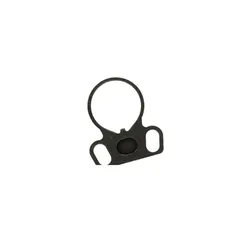
CMMG ambidextrous single-point end plate
Pros
- Loop plate for clip-on single-point slings
Cons
- No QD socket
Loop plate
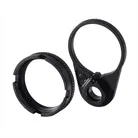
PWS Ratchet Lock castle nut and QD end plate set
Pros
- Alternative to staking, per PWS
- QD end plate included
Cons
- Single store listing
No staking
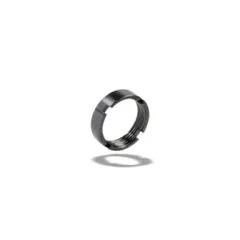
KAK Industry mil-spec castle nut
Pros
- Hardened steel with staking cuts
Cons
- Nut only
Mil-spec nut
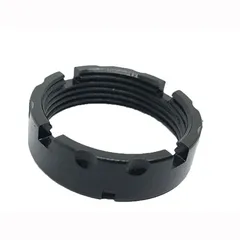
Forward Controls Design billet castle nut
Pros
- 4 longer, deeper staking notches
Cons
- Nut only
Better staking
Compare buffer tubes and parts, or plan the build in the AR-15 builder.
Frequently asked questions
What does an AR-15 end plate do?
It holds the takedown detent spring in place, locks against the castle nut, and on many models adds a sling attachment point.
How tight should an AR-15 castle nut be?
The Army manual gives 38 to 42 ft-lb for the carbine; 35 to 40 ft-lb is the common range.
Do I have to stake my castle nut?
It is the standard way to stop it backing out. Self-locking nuts such as PWS's Ratchet Lock are sold as an alternative.
Which way does the castle nut go on?
Notches toward the receiver and end plate, so the plate can be staked into them.
Can I use a QD end plate with a single-point sling?
Yes, with a QD swivel. Loop end plates suit clip-on single-point slings.