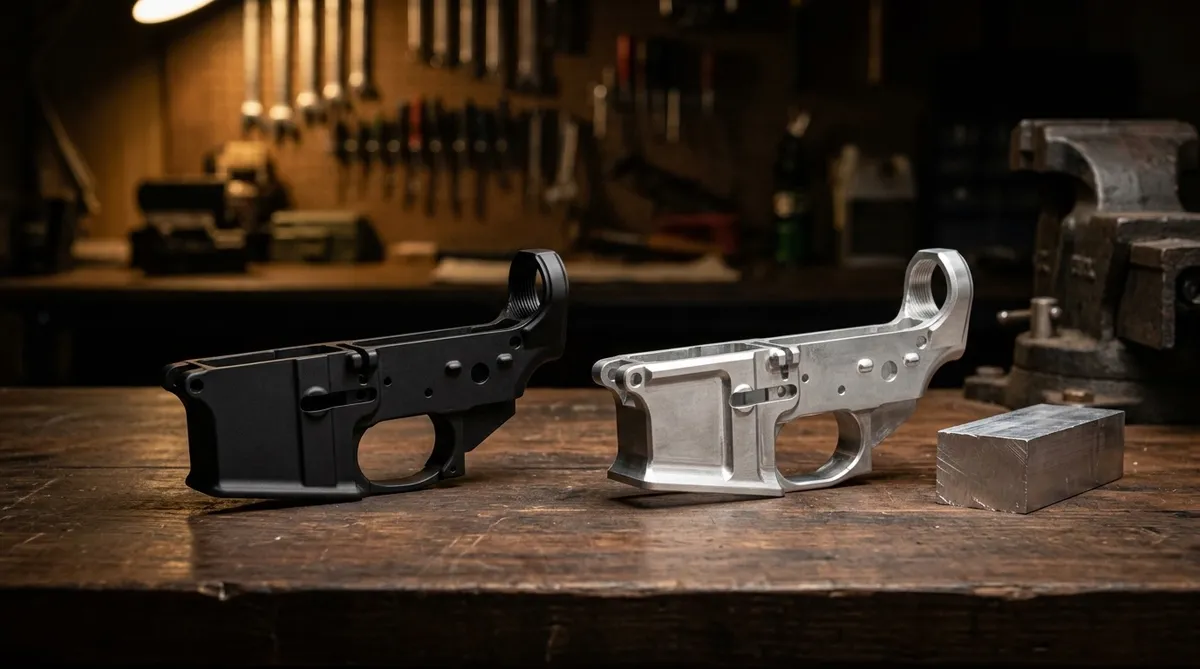
Short answer: a forged lower starts as a heated aluminum blank pressed into shape in a die, then machined; a billet lower is machined entirely from a solid block. Both are usually 7075-T6 aluminum. Forging lines the metal's grain up with the part, and forged lowers are the mil-spec norm and cost less; billet lets makers add shapes a die can't, such as flared magwells and integrated trigger guards. For ordinary use either is strong enough: the alloy (7075-T6 vs 6061) and the maker matter more than the process.
How each is made
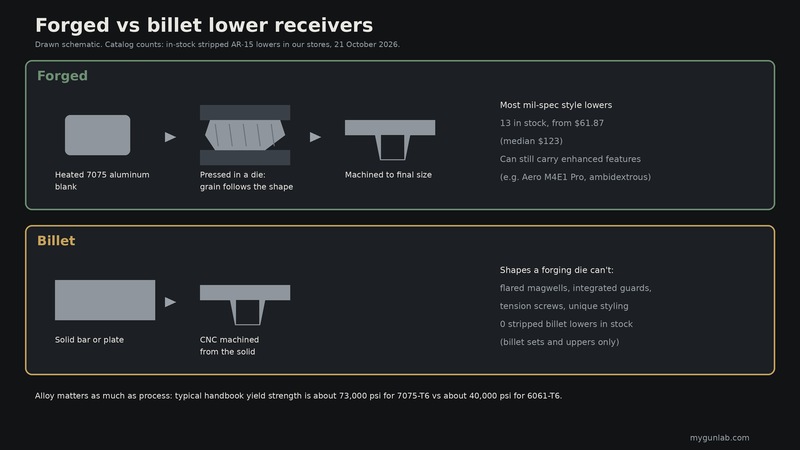
| Forged | Billet | |
|---|---|---|
| How it's made | Heated blank pressed in a die, then machined | Machined from a solid bar or plate |
| Usual alloy | 7075-T6 | 7075-T6, sometimes 6061-T6 |
| Grain | Follows the part's shape | The bar's grain, not shaped to the part |
| Shapes and features | Standard mil-spec profile; some add ambi controls | Flared magwells, integrated guards, tension screws, styling |
| Cost | Usually less | Usually more |
| In our stores, 21 Oct 2026 | 13 stripped lowers, median $123 | No stripped billet lowers in stock |
Which is stronger?
Forging aligns the grain, which retailer guides describe as making forged parts marginally stronger and more resistant to stress; none we found cite test data, and they agree the difference rarely matters outside abuse or sustained automatic fire. The alloy matters more: typical handbook tensile yield strength is about 73,000 psi for 7075-T6 and about 40,000 psi for 6061-T6, so a 6061 billet lower is a different thing from a 7075 one. Check the listing.
What billet gets you
Machining from solid lets makers add features a forging die can't easily produce: flared magwells, integrated trigger guards, upper tension screws and distinctive shapes, and matched upper and lower sets such as Radian's Builder Kit. Forged lowers can still be enhanced after forging: Aero says its M4E1 Pro is machined from a 7075-T6 forging and is fully ambidextrous.
What's in stock
On 21 October 2026 our stores had 13 in-stock stripped lowers whose listings say forged, from $61.87 (median $123), and no stripped lowers named billet in stock, though more than 20 billet lowers and sets are listed. Billet options in stock were matched sets and uppers. See complete vs stripped lower and polymer lowers.
Lowers and billet parts, with today's prices
Lowest price across the stores we track:
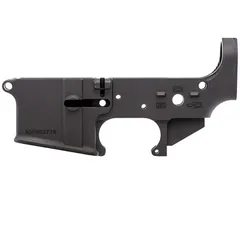
Spikes Tactical No Logo II forged stripped lower
Pros
- 7075-T6 forged
- Type III hard coat anodized
Cons
- Standard mil-spec features
Forged
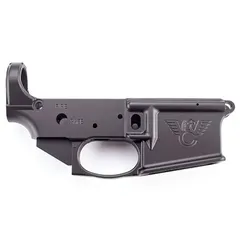
Wilson Combat forged stripped lower, closed trigger guard
Pros
- 7075-T6 forged
- Closed trigger guard
Cons
- No ambi controls
Forged
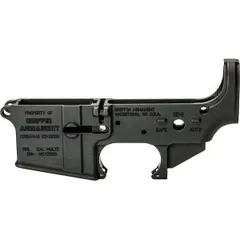
Griffin Armament MK1 forged stripped lower
Pros
- Forged mil-spec lower
Cons
- Standard mil-spec features
Forged
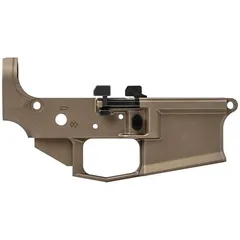
Aero Precision M4E1 Pro stripped lower
Pros
- Machined from a 7075-T6 forging
- Fully ambidextrous
Cons
- Check the color on the listing
Enhanced forged
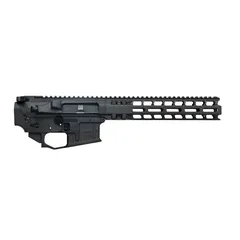
Radian Weapons Builder Kit (billet receiver set)
Pros
- Billet upper and lower set
- Ambi controls, handguard
Cons
- No barrel, BCG or stock
Billet set
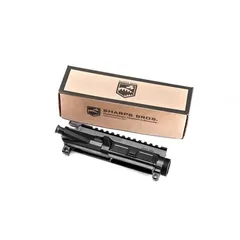
Sharps Bros billet upper receiver, assembled
Pros
- 7075-T6 billet upper
- Matches Sharps Bros lowers
Cons
- Upper only
Billet upper
Compare all lower receivers, or plan a build in the AR-15 builder.
Frequently asked questions
Is billet or forged better for an AR-15 lower?
For most builds, forged: it is the mil-spec standard and costs less. Billet is for the features and styling it allows.
Are billet lowers stronger than forged?
No. Forging aligns the grain, so forged is often described as slightly stronger, but for ordinary use both are strong enough.
What aluminum are AR-15 lowers made of?
Most are 7075-T6, forged or billet. Some billet lowers use 6061-T6, which has a lower typical yield strength.
Do billet lowers fit forged uppers?
Usually, if both are mil-spec, but billet lowers with non-standard shapes look best with their matching upper.
Why are billet lowers more expensive?
They take more machining time, since the whole receiver is cut from solid.