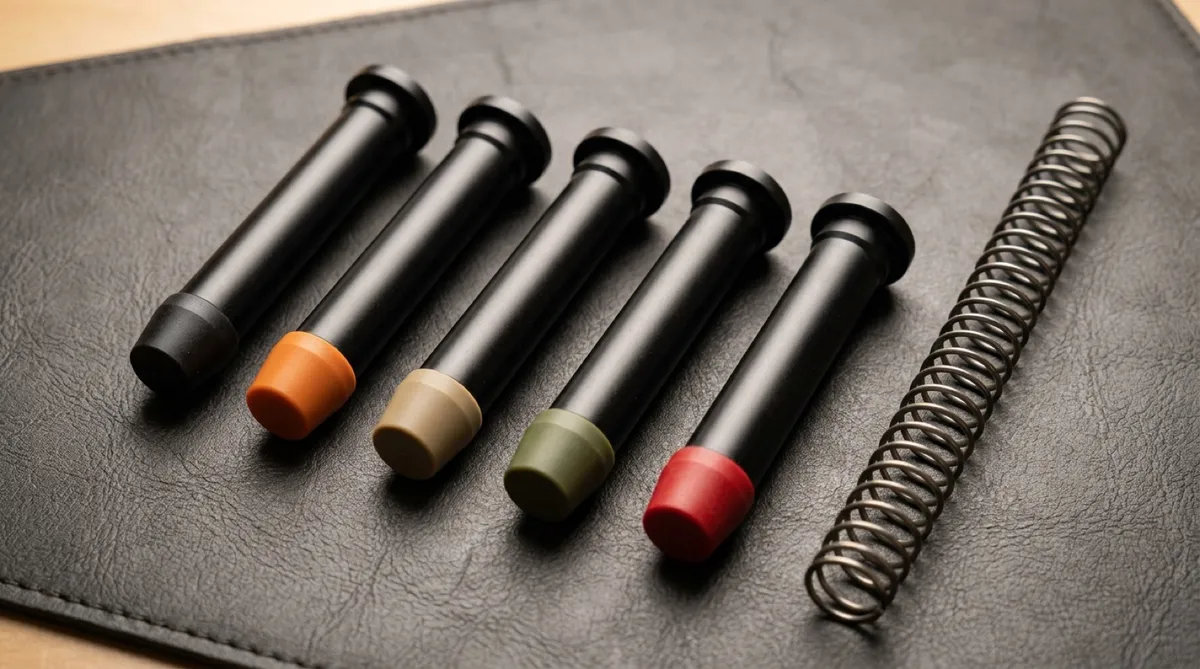
Short answer: a standard AR-15 carbine buffer weighs about 3.0 oz. Heavy buffers step up from there: H1 about 3.8 oz, H2 about 4.6-4.7 oz, H3 about 5.4 oz. Start with a carbine or H1 buffer on a typical 16-inch rifle. Go heavier if the rifle is over-gassed, short-barreled or suppressed, and lighter only if it fails to lock back on an empty magazine.
AR-15 buffer weight chart
| Buffer | Typical weight | Inside | Usually used for |
|---|---|---|---|
| Carbine (CAR) | 3.0 oz | 3 steel weights | 16 in mid-length and carbine-gas rifles |
| H (H1) | 3.8 oz | 1 tungsten, 2 steel | 14.5-16 in carbine gas; the safe default for most builds |
| H2 | 4.6-4.7 oz | 2 tungsten, 1 steel | Short barrels, over-gassed uppers, suppressed 5.56 |
| H3 | 5.4 oz | 3 tungsten | Short barrels with a suppressor, 300 Blackout suppressed |
| Rifle (A2) | 5.2-5.4 oz | Weights vary | Rifle-length gas, only in a rifle-length buffer tube |
| 9mm / PCC | 8-10 oz and up | Solid steel or tungsten | Blowback pistol-caliber ARs only |
Buffers look the same from outside. The difference is the sliding weights inside the hollow body: tungsten is about twice as heavy as steel, so swapping steel for tungsten adds weight without changing the size. Every carbine-length buffer, from 3.0 oz carbine to H3, fits the same carbine buffer tube and uses the same carbine spring.
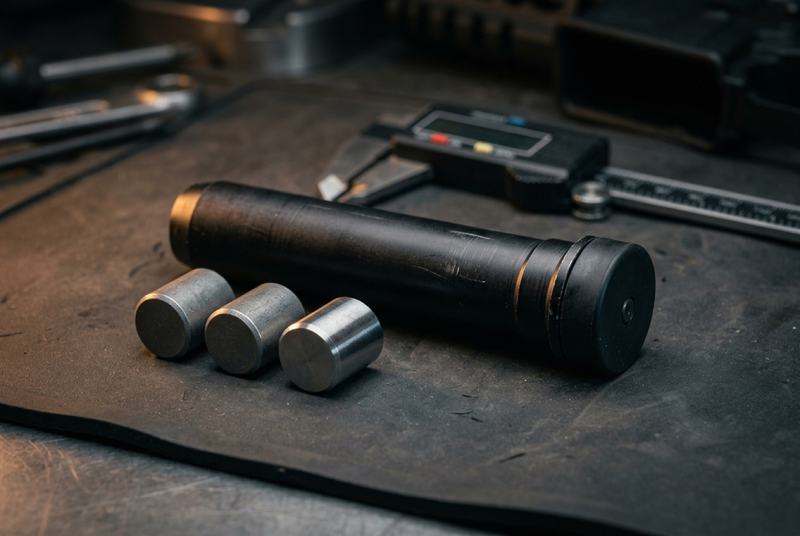
Which buffer weight do you need?
The buffer slows the bolt carrier as it moves back. Too light and the carrier slams back early and hard: more recoil, more wear, sometimes bolt bounce. Too heavy and it can't travel far enough to pick up the next round or lock back on an empty magazine. The gas system and barrel length set how hard the carrier is pushed, so start here:
| Rifle setup | Start with | If it's over-gassed | Notes |
|---|---|---|---|
| 16 in barrel, mid-length gas | Carbine or H1 | H2 | The softest-shooting common setup |
| 14.5-16 in barrel, carbine gas | H1 | H2 | Carbine gas runs hotter, so a heavier buffer helps |
| 10.5-11.5 in barrel, carbine gas | H2 | H3 | Short barrels have higher port pressure |
| 7.5-10.3 in barrel, pistol gas | H2 | H3 | Many makers ship these with an H2 |
| 20 in barrel, rifle gas | Rifle buffer | Needs a rifle buffer tube and rifle spring | |
| Any 5.56 with a suppressor | One step heavier | H3 | Or an adjustable gas block |
| 300 Blackout, 8-9 in, pistol gas | Carbine or H1 | H2-H3 suppressed | Supersonic and subsonic differ |
| 9mm PCC (blowback) | 9mm buffer | A 5.56 buffer is far too light; it needs its own |
Not sure which gas system you have? See the gas system length chart and the barrel profile guide. The AR-15 builder warns when a pistol-caliber build has a 5.56 buffer.
Read your brass: the ejection pattern
Fire a magazine from a bench and look where the empty cases land, picturing a clock face with the muzzle at 12 o'clock:
- 3 to 5 o'clock: about right. Leave it alone.
- 1 to 2 o'clock, thrown far: over-gassed. Try the next heavier buffer.
- 5 to 6 o'clock, dropped close: under-gassed or too heavy a buffer. Try one step lighter, and check the gas block is aligned and tight.
- Doesn't lock back on an empty magazine: often too heavy a buffer, or a weak load. Try a lighter buffer before anything else.
Ammo changes the picture: cheap low-power 55-grain ammo cycles less violently than M855 or hot loads, so test with the ammo you shoot most. Change one thing at a time.
Suppressors and short barrels
A suppressor traps gas and raises the pressure pushing the carrier back, so a suppressed rifle runs harder than the same rifle without one. The usual fix is one buffer step heavier: H1 to H2, or H2 to H3. If one buffer can't suit both suppressed and unsuppressed shooting, an adjustable gas block lets you turn the gas down instead. 300 Blackout pistols are the classic case: a carbine or H1 buffer for supersonic ammo can over-gas with a suppressor, while subsonic ammo needs the lighter end to cycle at all.
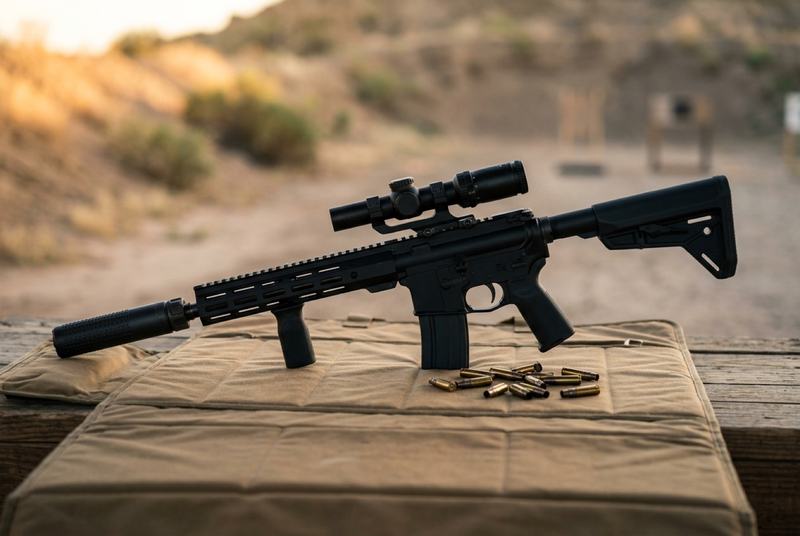
Carbine vs rifle buffer systems
Carbine and rifle buffers aren't interchangeable. A carbine buffer tube is shorter and takes a carbine buffer (about 3.25 in long) and a carbine spring. A rifle tube is longer and takes the longer rifle buffer and rifle spring, used on fixed A2-style stocks. Mixing them causes failures to feed or the carrier hitting the tube. Some systems, like the A5, use a longer tube and their own buffers, so stick with the maker's parts. Collapsible stocks need a carbine tube: see mil-spec vs commercial buffer tubes.
Don't forget the spring
The action spring matters as much as the buffer. Springs shorten with use: if yours is noticeably shorter than a new one of the same type, or the rifle starts short-stroking, replace it before buying a different buffer. A new spring is cheap, and some heavy buffers ship with one. Upgraded springs like flat-wire or braided-wire ones also run a little smoother and quieter.
Buffers to compare
Today's prices across stores we track, from standard carbine to H3. See all buffer tubes, buffers and springs, or add one to your build in the builder.
Carbine buffer, 3.0 oz
Pros
- Standard weight for mid-length 16 in rifles
- Cheapest option
Cons
- Too light for most short or suppressed rifles
Fits any carbine buffer tube.
H1 buffer, 3.9 oz
Pros
- Safe default for most carbine-gas builds
- Softer recoil than a carbine buffer
Cons
- May still be light for short barrels
Our pick if you're unsure.
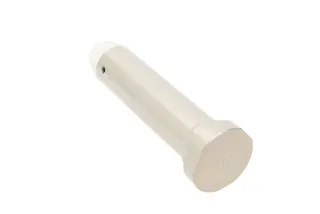
H2 buffer, 4.6 oz
Pros
- Tames short and over-gassed uppers
- Good for occasional suppressor use
Cons
- Can short-stroke weak ammo on a 16 in rifle
The most searched heavy buffer.
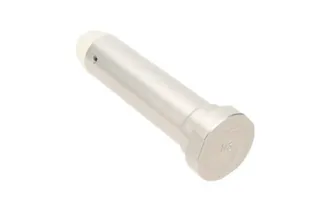
H3 buffer, 5.4 oz
Pros
- For short barrels with a suppressor
- Smoothest recoil impulse
Cons
- Too heavy for most unsuppressed rifles
Test with your ammo before trusting it.
Frequently asked questions
How much does an H2 buffer weigh?
About 4.6 to 4.7 oz, depending on the maker. It holds two tungsten weights and one steel weight.
How much does a standard carbine buffer weigh?
About 3.0 oz, with three steel weights inside. Some makers sell slightly lighter ones around 2.8 oz.
What buffer weight is best for a 16 inch AR-15?
With mid-length gas, a carbine or H1 buffer. With carbine gas, an H1, or an H2 if the brass ejects forward of 3 o'clock.
Is a heavier buffer always better?
No. A heavier buffer softens recoil and wear on an over-gassed rifle, but too heavy a buffer causes short-stroking and failures to lock back. Pick the lightest buffer that gives a 3 to 5 o'clock ejection.
Do I need a heavier buffer with a suppressor?
Usually one step heavier, because a suppressor raises the gas pressure that cycles the rifle. An adjustable gas block is the alternative.
Can I use a carbine buffer in a rifle buffer tube?
No. Rifle tubes are longer and need the longer rifle buffer and rifle spring. Carbine buffers, H1, H2 and H3, all go in a carbine tube.
What buffer does a 9mm AR need?
A dedicated 9mm buffer, usually 8 oz or more. Most 9mm ARs are blowback-operated, and a 5.56 buffer is far too light for them.