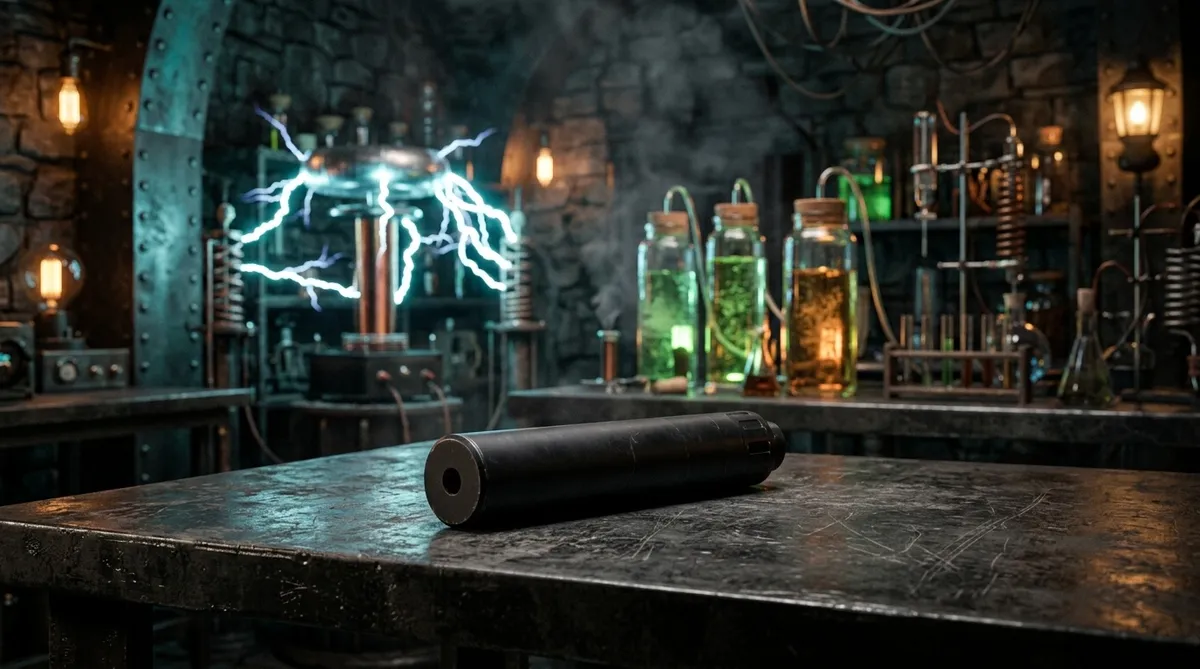
Short answer: a suppressor is a tube on the muzzle that gives the hot, high-pressure gas behind the bullet room to expand, slow down and cool before it leaves, usually through a blast chamber and a stack of baffles, so the muzzle blast is much quieter. It makes a rifle quieter, not silent: Rugged Suppressors puts a rifle at around 165 dB and its Micro30 at about 140 dB at the ear. How long one lasts depends on caliber, barrel length and rate of fire; makers we checked do not publish a round-count life, so the warranty terms matter. In October 2026 ATF stopped enforcing NFA registration for suppressors, but they are still firearms under federal law; see the legal section below.
Legal status checked 13 October 2026 against ATF's guidance and the U.S. Code. This area is changing; check again before you buy.
How a suppressor works
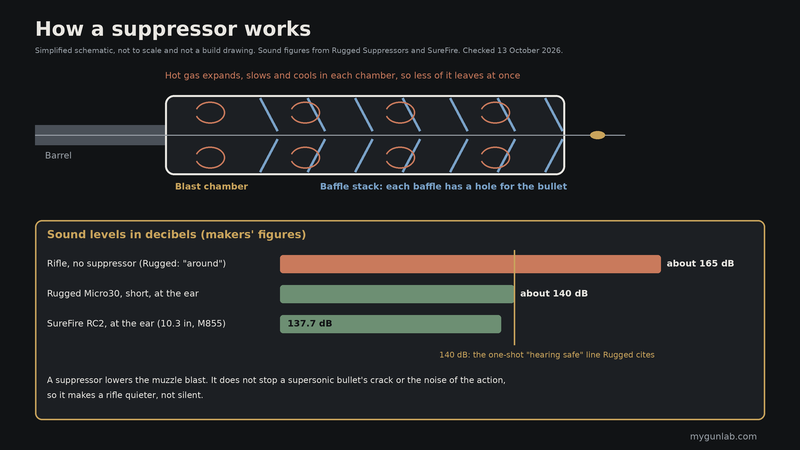
When a cartridge fires, burning powder turns into hot, high-pressure gas that pushes the bullet down the barrel. Without a suppressor, that gas bursts out of the muzzle all at once: that burst is most of the bang. A suppressor catches it first:
- Blast chamber. The first space behind the muzzle, where the gas starts to expand.
- Baffles. A series of walls, each with a hole for the bullet, that split the tube into chambers. The gas swirls, slows and cools as it moves through them, so less of it, at lower pressure, leaves the front.
- Flow-through designs. Some makers route the gas differently. HUXWRX says its Flow-Through suppressors use deflectors and coils to send gas forward and away from the bore line, and claims that cuts blowback toward the shooter.
A suppressor does not stop every noise. A bullet faster than sound still makes a crack downrange, and the rifle's action still clicks. That is why subsonic ammunition, as in our 300 Blackout ballistics chart, is popular with suppressors.
How quiet is a suppressed rifle?
| Setup | Sound | Source |
|---|---|---|
| Rifle, no suppressor | Around 165 dB | Rugged Suppressors |
| Rugged Micro30, short (5 in) configuration | About 140 dB at the ear | Rugged Suppressors |
| SureFire SOCOM556-RC2, 10.3 in barrel, M855 | 137.74 dB at the ear | SureFire |
| "Hearing safe" line Rugged cites | 140 dB, one shot in 24 hours | Rugged Suppressors |
Figures are from Rugged Suppressors and SureFire, read October 2026; makers measure differently, so compare with care. Rugged also notes that earmuffs rated 30 NRR take off only about 11.5 dB by its conversion, and its example pairs the two: about 140 dB with the suppressor, about 128.5 dB with earmuffs as well.
What suppressors are made of
Rifle suppressors take heat and pressure, so makers use tough alloys. SureFire builds its SOCOM556-RC2 from high-temperature Inconel alloys and stainless steel and says it withstands full-auto use; it weighs 17.0 oz and is 6.4 inches long. Rugged describes its rifle suppressors as built with "exotic materials" that need limited maintenance. Lighter titanium suppressors exist too; check each maker's approved calibers and barrel lengths.
How long do suppressors last?
None of the makers we checked publishes a round-count lifespan. Wear depends on the caliber, barrel length, rate of fire and maintenance. Warranties vary a lot:
- Rugged Suppressors offers an unconditional lifetime warranty: it says it will fix the problem no matter what happened, excluding only loss or theft.
- HUXWRX gives a limited lifetime warranty against manufacturing defects. It excludes normal wear and tear, which it may repair at a charge, and treats ammunition or barrel lengths it does not specify as improper use.
To make a suppressor last, stay within the maker's rated calibers and barrel lengths, keep it tight on its mount, and follow its cleaning advice. Rugged says its rifle suppressors only need the threads wiped and lightly oiled, its pistol suppressors cleaned every 1,000 rounds, and that you should let a hot suppressor and a cool rifle reach similar temperatures before threading them together to avoid lock-up.
Running an AR-15 suppressed
Rugged suggests an adjustable gas block, a suppressor-optimized charging handle and a heavier buffer. See our buffer weights guide and our charging handles guide. A suppressor usually mounts to a muzzle device or a threaded barrel: our muzzle device guide explains the options.
Are suppressors legal? (October 2026)
Federal law defines a "firearm silencer" as any device for silencing, muffling or diminishing the report of a portable firearm, including parts intended only for making one, and counts it as a firearm. The National Firearms Act also covers silencers.
In its October 2026 guidance, ATF says Congress eliminated the making and transfer taxes on suppressors, short-barreled rifles and shotguns, and "any other weapons", and that it will not enforce the NFA's approval, registration or tax-stamp requirements for them. But:
- Suppressors are still firearms under the Gun Control Act. A dealer still runs a Form 4473 and a background check.
- Private sellers may not transfer one to a resident of another state or to anyone prohibited from having firearms.
- State and local laws still apply, and ATF says its guidance does not override them.
- ATF warns that enforcement could resume if the law or the court case changes, and that unregistered NFA items are treated as contraband if it does. You can still register voluntarily.
This is information, not legal advice. See also our short-barreled rifle guide.
Suppressors we track, with today's prices
Lowest price across the stores we track:
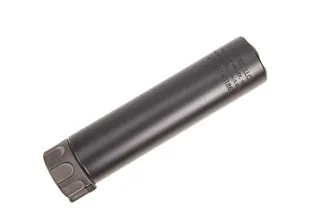
SureFire SOCOM556-RC2 suppressor
Pros
- Inconel and stainless; SureFire says it withstands full auto
- 137.7 dB at the ear on a 10.3 in barrel (SureFire)
Cons
- 17.0 oz, 6.4 in long
Hard use
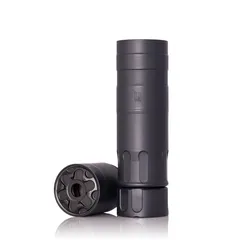
Rugged Micro30 rifle suppressor
Pros
- About 140 dB at the ear in its short configuration (Rugged)
- Unconditional lifetime warranty
Cons
- Check Rugged's approved calibers and barrels
Versatile
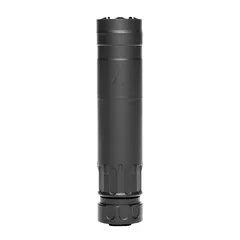
Rugged Razor556 rifle suppressor
Pros
- 5.56 rifle suppressor
- Unconditional lifetime warranty
Cons
- For 5.56 class calibers; check Rugged's list
Value 5.56
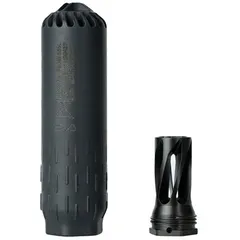
HUXWRX Flow 556k multi-cal QD suppressor
Pros
- Flow-through design sends gas forward
- Comes with a flash hider
Cons
- Warranty excludes normal wear
Flow-through
Compare every suppressor by price.
Frequently asked questions
How does a suppressor work?
It gives the gas behind the bullet room to expand, slow and cool in a blast chamber and a series of baffles, so it leaves the muzzle at lower pressure and makes less noise.
Do suppressors make guns silent?
No. Rugged puts a rifle at around 165 dB and its Micro30 at about 140 dB at the ear. Supersonic bullets still crack and the action still makes noise.
How long does a suppressor last?
Makers we checked publish no round-count lifespan. It depends on caliber, barrel length, rate of fire and care, and warranties range from Rugged's unconditional lifetime warranty to HUXWRX's, which excludes normal wear.
What is the difference between a suppressor and a silencer?
None: the law uses "silencer" and the industry mostly says "suppressor". Both mean the same device.
Do you still need a tax stamp for a suppressor?
As of 13 October 2026, ATF says the tax has been eliminated and it will not enforce NFA registration for suppressors, but they remain firearms, dealers still run background checks, and state laws still apply. Check the current status before you buy.
Do I need hearing protection with a suppressor?
It helps: Rugged's example has a suppressed rifle at about 140 dB, the one-shot limit it cites, and about 128.5 dB with 30 NRR earmuffs as well.